The Seismic Shift: EVs Go Mainstream, Redefining Mobility
The automotive industry is undergoing its most profound transformation in over a century.
What began as a niche interest for environmental enthusiasts and early adopters has exploded into a global phenomenon: Electric Vehicles (EVs) are aggressively capturing market share, consistently setting new sales records, and rapidly transitioning from a novelty to the dominant choice for new car buyers worldwide.
This shift is not a temporary trend fueled by fleeting novelty; it is an irreversible disruption driven by a powerful convergence of technological evolution, economic viability, robust government policy, and evolving consumer values.
The transition to an electric future is characterized by the dismantling of long-held barriers. Range anxiety is fading as battery energy density soars.
High purchase prices are falling, mitigated by escalating fuel costs and government incentives.
The simple fact is that the internal combustion engine (ICE) is quickly becoming an outdated technology, unable to compete with the instant torque, minimal maintenance, and lower Total Cost of Ownership (TCO) offered by modern electric mobility.
This article delves deep into the mechanisms driving this EV dominance, examining the key technological breakthroughs, the essential policy mandates reshaping the global market, and the critical challenges that must be overcome to secure a truly electrified and sustainable future for personal transportation.
The momentum is undeniable, signaling that the dominance of the electric vehicle in new car sales is not a question of if, but when the tipping point is fully reached across all major markets.
The Economic Imperative: Why Consumers Are Choosing Electric
While environmental concerns play a role, the primary engine accelerating EV sales is hard economics and a vastly superior driving experience. For many consumers, the financial and performance advantages of owning an EV have now decisively surpassed the traditional benefits of the gasoline car.
Total Cost of Ownership (TCO) Advantage
A. Fuel Savings
Gasoline and diesel prices are inherently volatile and subject to geopolitical instability.
Electricity, while not immune to cost fluctuations, is consistently cheaper on a per-mile basis than fossil fuels.
Drivers who charge primarily at home, often during off-peak utility hours, realize substantial, predictable savings over the lifespan of the vehicle.
This factor alone neutralizes much of the perceived cost premium.
B. Maintenance Reduction
An EV powertrain is orders of magnitude simpler than an ICE system. It lacks spark plugs, oil filters, piston rings, complex transmission systems, and exhaust components—all parts that require routine maintenance and eventual replacement.
The only regular servicing typically involves tires, brakes (which wear slower due to regenerative braking), and cabin air filters, dramatically lowering long-term service costs and reducing vehicle downtime.
C. Longevity and Depreciation
Early concerns about battery life have proven largely unfounded.
Modern EV batteries are often warranted for eight years and 100,000 miles, with real-world data showing minimal degradation over typical ownership periods.
Furthermore, as infrastructure improves and battery technology becomes standardized, well-maintained EVs are retaining their resale value better than comparable gasoline vehicles in many markets, stabilizing the second-hand market and improving the TCO equation further.
Government Incentives and Taxation
Policy tools have been crucial in bridging the initial purchase price gap between EVs and their ICE counterparts, acting as a massive stimulus for consumer adoption.
A. Purchase Subsidies and Tax Credits
Direct government incentives, such as the federal tax credits in the United States or direct purchase subsidies in European countries and China, directly lower the consumer’s out-of-pocket expense, making entry-level EVs competitive with mid-range gasoline cars.
These policies are critical for driving early-stage mass adoption.
B. Non-Monetary Perks and Benefits
Many jurisdictions offer valuable non-monetary incentives that sweeten the deal. These often include preferential access to high-occupancy vehicle (HOV) lanes, reduced registration fees, exemption from urban congestion charges, and free or subsidized public charging access.
These benefits significantly improve the day-to-day utility of an EV, particularly for urban commuters.
C. Favorable Taxation Structures
In many European countries, EV owners benefit from significantly lower or zero annual road taxes, vehicle registration fees, and corporate taxation rates compared to high-emission gasoline and diesel vehicles, further cementing the long-term financial advantage.
The Technological Engine: Battery Breakthroughs and Performance
The dominance of EVs is fundamentally enabled by relentless innovation in battery technology and the inherent superiority of the electric powertrain design. These factors have erased the once-crippling anxieties over range and performance.
The Lithium-Ion Revolution
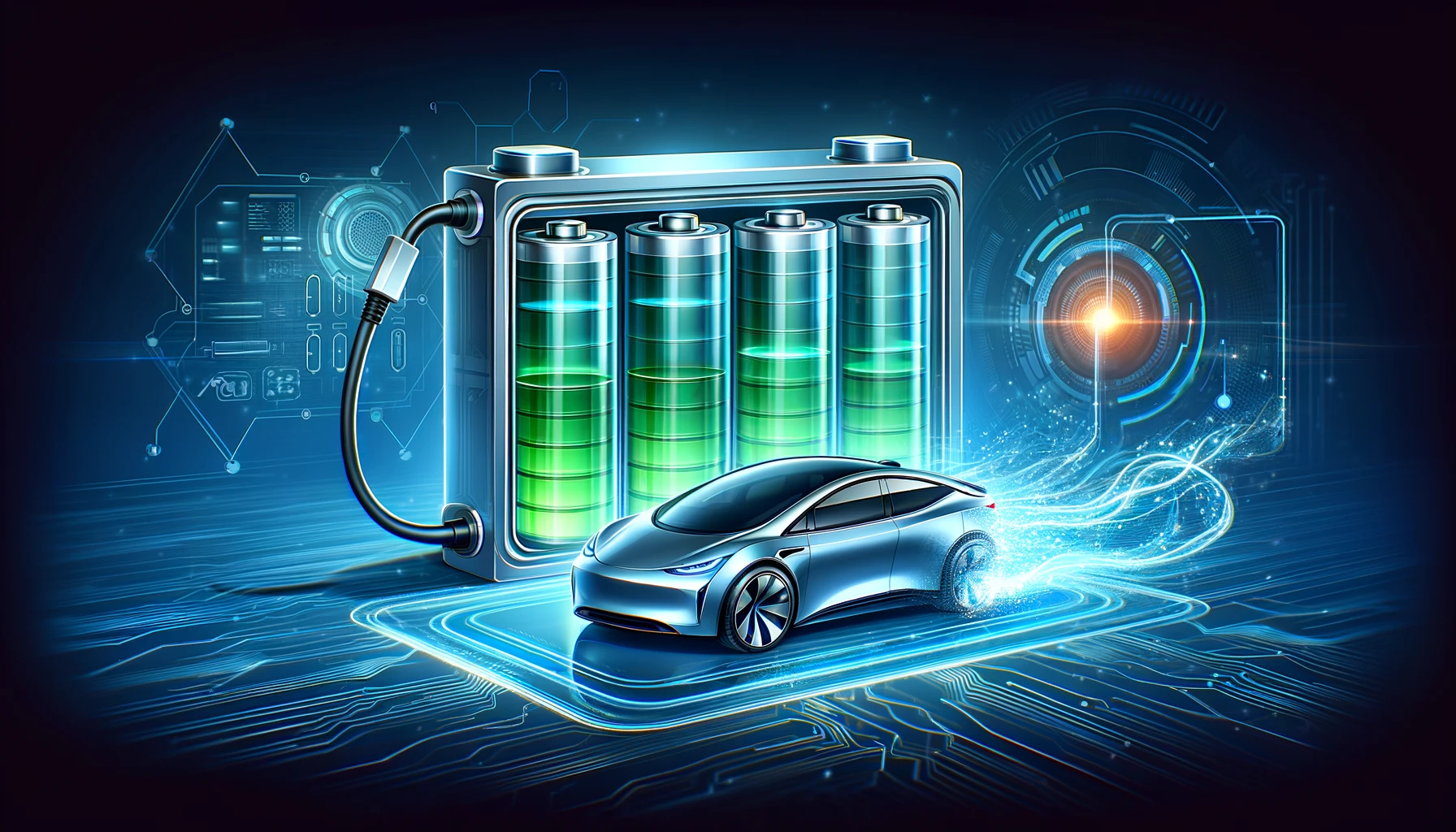
The modern lithium-ion battery is the single most critical component in the EV market surge. Advancements in its core characteristics have made long-range electric travel practical for the first time.
A. Energy Density and Range
Researchers and manufacturers, driven by the race to market, have dramatically increased the energy density of battery packs, allowing more power to be stored in smaller, lighter volumes.
This has pushed the range of mainstream EVs well past the critical 300-mile (480 km) threshold, alleviating “range anxiety” for most drivers who rarely travel that distance in a single day.
B. Falling Costs (The Gigafactory Effect)
Through economies of scale achieved by massive manufacturing facilities (Gigafactories), the cost per kilowatt-hour (kWh) of battery production has fallen by over 80% in the last decade.
This relentless cost reduction is the single biggest factor pushing the price of EVs toward parity with ICE vehicles.
C. Rapid Charging Architecture
The shift to 800-volt (800V) electrical architectures (up from the standard 400V) in newer, high-end EVs has dramatically reduced charging times.
This architecture allows vehicles to utilize high-powered DC Fast Chargers to replenish the battery from 10% to 80% capacity in 18 to 25 minutes, making long-distance road trips viable and comparable to a traditional fuel stop.
D. Solid-State Battery Potential
While still in development, the eventual commercialization of solid-state batteries promises to be the next major inflection point.
This technology aims to offer even higher energy density, faster charging, improved safety, and potentially lower reliance on costly materials like cobalt, cementing EV superiority for the next decade.
Powertrain Superiority
Beyond the battery, the simplicity and efficiency of the electric motor provide a driving experience that ICE vehicles cannot match.
A. Instantaneous Torque
Electric motors deliver 100% of their available torque instantaneously from a standstill.
This results in blistering acceleration and a highly responsive driving feel that appeals to a broad range of consumers, from performance enthusiasts to everyday commuters navigating traffic.
B. Efficiency and Energy Recovery
The electric powertrain is incredibly efficient, converting over 85% of electrical energy into motion, compared to the highly inefficient ICE, which wastes most energy as heat (thermal efficiency is often below 40%).
Furthermore, regenerative braking captures kinetic energy normally wasted as heat and friction, recycling it back into the battery, boosting efficiency and range, particularly in urban driving cycles.
 The Regulatory Climate: Policy-Driven Market Transformation
Governments and regional economic blocs worldwide have leveraged regulatory power to accelerate the EV transition, creating a clear market signal that is forcing manufacturers to commit massive resources to electrification.
Global Policy Mandates and Deadlines
A. Internal Combustion Engine (ICE) Phase-Out Dates
Many major economies, including the European Union, the United Kingdom, and various states in the US, have set definitive deadlines (often between 2030 and 2040) for banning the sale of new passenger vehicles powered solely by gasoline or diesel.
These ICE bans force manufacturers to allocate capital toward EV development, as their largest and most profitable markets will soon become exclusively electric.
B. Zero-Emission Vehicle (ZEV) Mandates
Specific ZEV mandates, particularly effective in markets like California and increasingly adopted elsewhere, require automakers to ensure that a growing percentage of their annual vehicle sales are zero-emission vehicles.
This policy approach creates a supply push that complements consumer demand, ensuring that diverse EV models are available to the public.
C. Stricter Emissions and Fuel Economy Standards (CAFE)
Continually tightening Corporate Average Fuel Economy (CAFE) standards penalize manufacturers for selling fleets with lower average mileage.
Since EVs are scored as having zero emissions, they are essential for manufacturers to achieve compliance and avoid hefty financial penalties, making EV production a financial necessity.
D. Public Procurement and Fleet Electrification
Government and municipal agencies are increasingly mandating the electrification of their own large vehicle fleets (buses, police cars, postal vehicles).
This large-scale, guaranteed demand provides manufacturers with stability and the volumes needed to further drive down production costs through economies of scale.
The Backbone: Building the Essential Charging Infrastructure
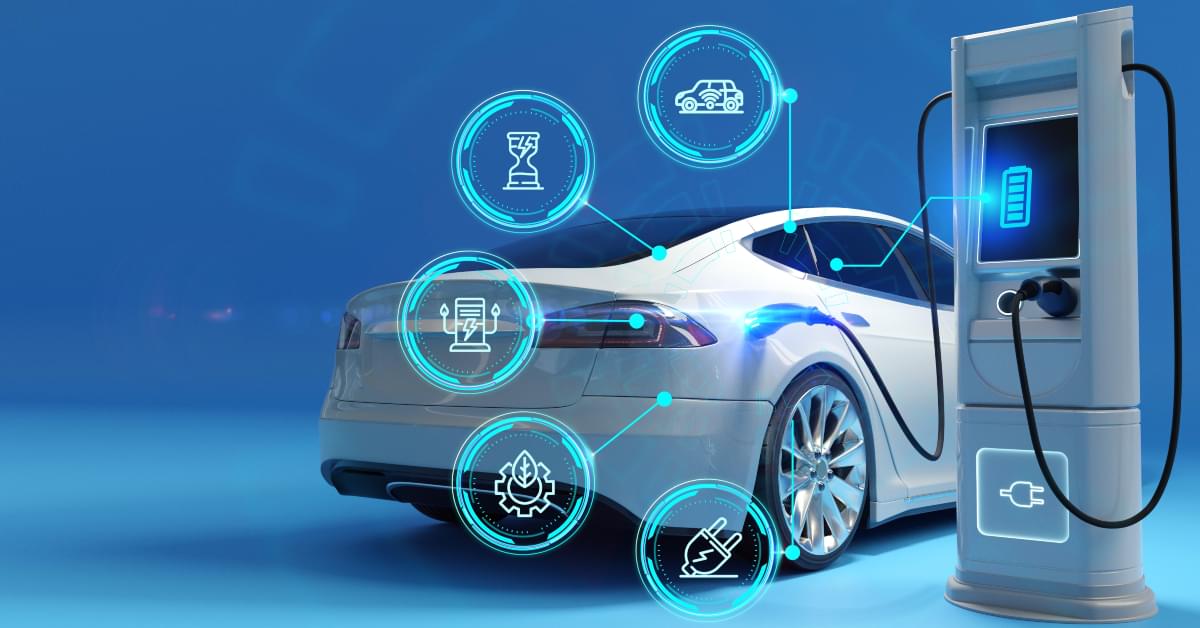
The lack of ubiquitous charging infrastructure remains the single biggest psychological barrier to mass adoption. However, massive public and private investment is rapidly closing this gap, transforming charging from a chore into a seamless utility.
Infrastructure Solutions and Deployment
A. Public Charging Network Expansion
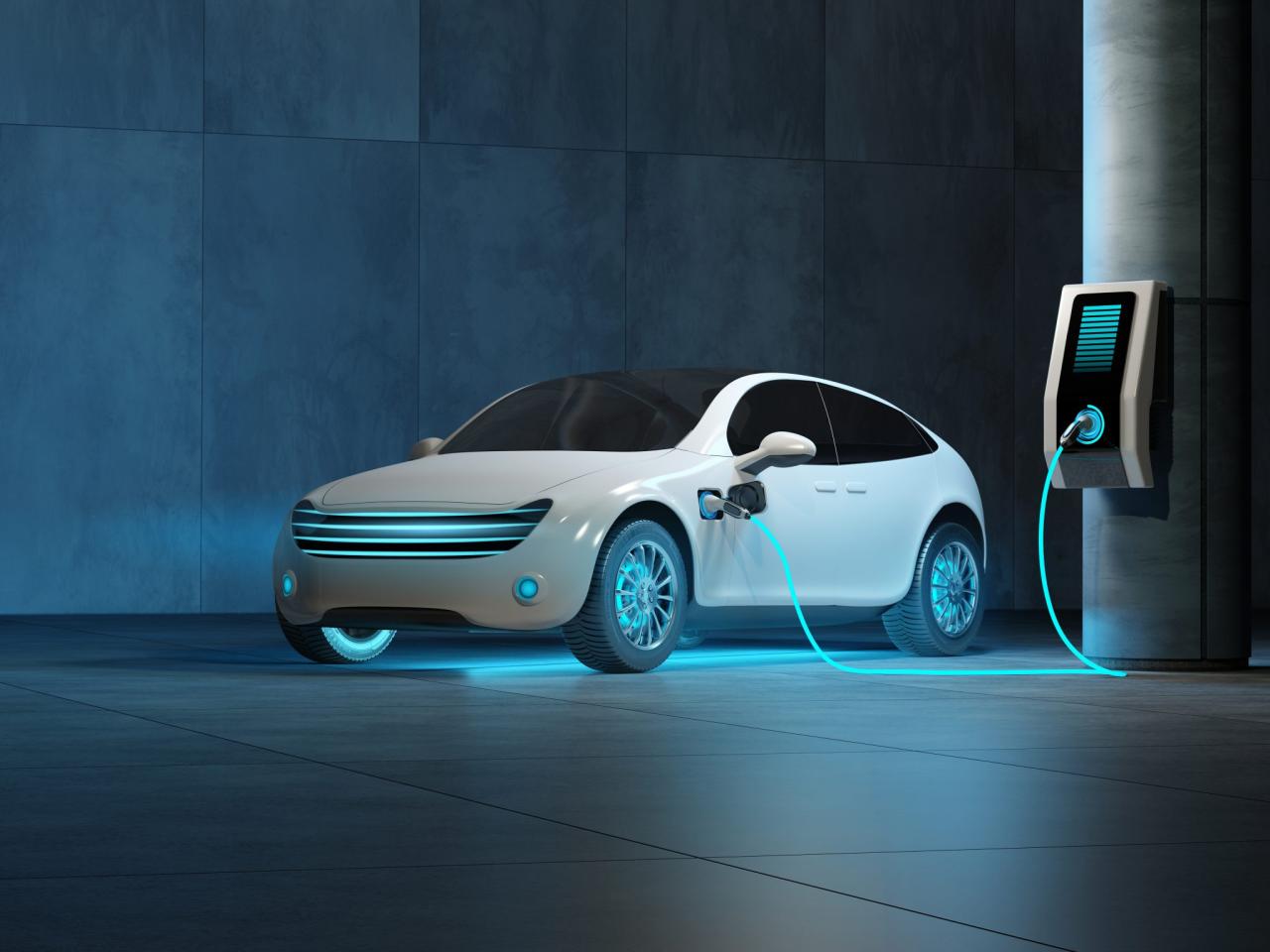
The deployment of DC Fast Charging (DCFC) stations along major highways and key corridors is essential for long-distance travel.
Simultaneously, expansion of Level 2 (L2) chargers in urban areas, workplaces, and retail locations addresses the daily charging needs of commuters and residents who lack dedicated home charging.
B. Home Charging Accessibility
For most EV owners, the primary charging point is their home garage or driveway. The convenience of “fueling” overnight while sleeping is a major selling point.
Policy initiatives and utility incentives are increasingly making the installation of Level 2 home charging units (which significantly reduce overnight charging time) more affordable and widespread.
C. Smart Charging and Grid Integration
As millions of EVs plug in, the risk of overwhelming the electric grid is managed through Smart Charging technology.
This system allows EVs to communicate with the grid, intelligently adjusting charging schedules based on grid demand, local renewable energy availability, and electricity prices.
This ensures that the increasing EV load is managed efficiently and sustainably.
D. Interoperability and Standardization
Efforts to standardize charging connectors (e.g., the North American Charging Standard, or NACS) and payment protocols are crucial.
Standardization eliminates the complexity and confusion associated with different plugs and apps, leading to a much smoother, predictable customer experience similar to that of traditional gasoline pumps.
 The Roadblocks: Addressing Challenges to True Dominance
While the momentum favors EVs, achieving total market dominance requires addressing persistent technical, economic, and ethical challenges, particularly concerning the supply chain and sustainability.
Critical Hurdles to Mass Adoption
A. Raw Material Sourcing and Geopolitics
The production of lithium-ion batteries relies heavily on key critical minerals, primarily lithium, cobalt, and nickel.
Sourcing these materials is subject to geopolitical risks, volatile pricing, and significant ethical concerns regarding mining practices.
Securing a stable, diversified, and ethically sound supply chain is paramount for meeting future demand.
B. Battery Recycling and Circular Economy
Currently, battery production is resource-intensive. True sustainability requires the establishment of a robust, global battery recycling infrastructure capable of efficiently recovering key materials from end-of-life battery packs.
Developing this circular economy is essential to prevent a massive landfill problem and reduce reliance on new mining.
C. Affordability and Equity
Despite incentives, the initial purchase price of an EV remains a significant barrier for low- and middle-income consumers.
Policy and manufacturing innovation must focus on reducing the cost of entry for the smallest and most utilitarian EVs to ensure that the transition is equitable and accessible to all socio-economic groups.
D. Grid Capacity and Renewable Integration
The mass influx of EVs necessitates massive investment in upgrading national electric grids.
Crucially, the electricity used to charge these vehicles must come from renewable sources (solar, wind, hydro) for the environmental benefits of EVs to be fully realized.
If EVs are charged primarily with fossil fuel-generated electricity, the environmental payoff is significantly diminished.
The dominance of electric vehicles in new sales is a foregone conclusion, driven by a powerful confluence of superior technology and global necessity.
As manufacturers race to scale production and policymakers work to streamline infrastructure and supply chains, the global automotive market is undergoing a period of intense, irreversible change.
This revolution promises cleaner air, lower operating costs, and a more responsive, exciting driving experience, fundamentally rewriting the rules of personal mobility for the 21st century.