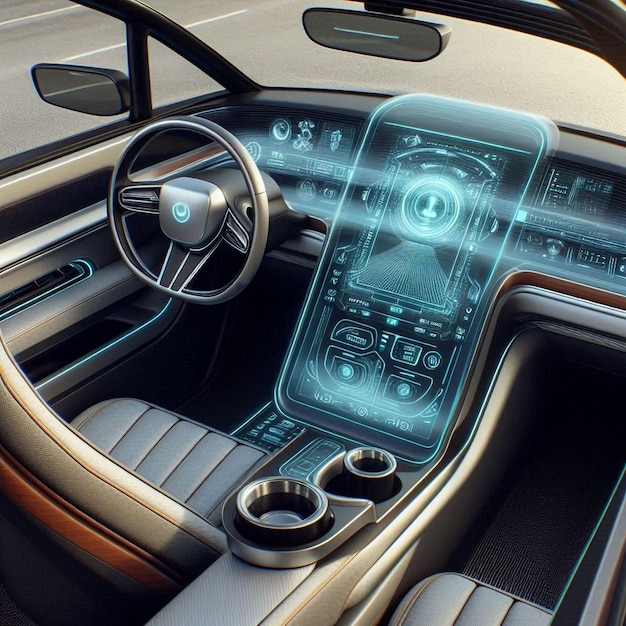
The definition of luxury is undergoing rapid, technology-driven evolution. While historically centered on performance, exquisite materials, and expert engineering, today’s premium vehicle distinction is increasingly defined by the sophistication of its digital cockpit. The integration of Artificial Intelligence (AI) has transformed the dashboard from a collection of instruments and buttons into a personalized, intuitive, and predictive central nervous system. These advanced AI cockpits are more than just screens; they are holistic Human-Machine Interfaces (HMIs) that adapt to user behavior, manage complex vehicle functions, and seamlessly integrate passengers’ digital lives with the driving experience. This shift represents the industry’s recognition that the most valuable in-car real estate is the digital experience, and the future of automotive luxury lies in intelligent, personalized interactions.
This comprehensive guide examines the specific AI technologies powering next-generation premium cockpits, explores multimodal interaction methods that enhance safety and comfort, analyzes the crucial role of data and adaptive personalization, examines cybersecurity and system integration challenges, and envisions a future where AI cockpits become essential digital hubs for both autonomous and human-driven mobility.
Core Technology: Empowering Intelligent Interfaces
Modern AI Cockpit functionality relies on a complex, layered software and hardware architecture, with dedicated AI chips providing the processing power necessary for context-aware, real-time decision-making.
1. AI Processing and Dedicated Hardware
Smooth and predictive cockpit performance requires dedicated computing power separate from the vehicle’s driving system.
- System-on-Chip (SoC) Integration: A high-performance SoC (often designed by companies like Qualcomm, NVIDIA, or customized in-house) is dedicated entirely to HMI and infotainment functions. This chip handles graphics rendering, processing sensor data (from cameras and microphones), and running complex AI models simultaneously.
- Edge Computing for Speed: Much of the AI processing—especially for time-sensitive tasks like gesture recognition and voice command processing—is performed locally on the vehicle’s hardware (“at the edge”). This minimizes reliance on cloud connectivity and ensures near-instant response times, a critical premium feature.
- Software-Based Architecture: The entire cockpit is built on a software-based platform, allowing manufacturers to deploy new features, bug fixes, and security patches over-the-air (OTA). This ensures the vehicle’s digital interface remains up-to-date and capable throughout its lifespan, reducing technology obsolescence.
2. Multi-Modal Interaction System
Premium AI cockpits go beyond simple touchscreens and combine multiple intuitive input methods to create a more natural and less distracting user experience.
- Advanced Natural Language Processing (NLP): Voice assistants are no longer limited to simple commands. NLP enables AI to understand conversations, complex requests, context, and even differentiate between speakers (e.g., “Find me a quieter route home, and text my partner that I’ll be five minutes late”).
- Control and Gesture Tracking: In-cabin cameras and sensors track hand movements (gestures) and eye gaze. This allows passengers to perform quick, standardized actions (such as adjusting the volume or skipping a song) without physically touching the screen, improving hygiene and focus.
- Haptic Feedback: Control surfaces (screens or knobs) provide tactile feedback that simulates the sensation of clicking a physical button. This sensory confirmation allows drivers to confirm input without taking their eyes off the road, significantly improving safety.
AI Advantages: Personalization and Prediction
The real differentiator for a premium AI cockpit is its ability to learn individual behaviors and preferences, offering a truly adaptive and tailored experience that is simply not possible with a static interface.
1. Adaptive User Profiles
The AI continuously builds and refines digital profiles for every regular occupant.
- Automatic Configuration Loading: As soon as a recognized driver or passenger enters the vehicle, the AI automatically adjusts settings not only for the seat position and mirrors but also for climate control preferences, ambient lighting, preferred driving mode, media playlists, and navigation shortcuts.
- Predictive Suggestion Engine: Based on learned routines, the AI can anticipate needs. For instance, if the driver always calls a specific client every Tuesday at 9:00 AM, the system will proactively suggest initiating the call at that time. If the driver takes a detour, the system will immediately offer the most common alternative destination (e.g., the gym instead of the office).
- Fatigue and Distraction Monitoring: AI-powered driver monitoring systems (DMS) use in-cabin cameras to track the driver’s head position, eyelid movement, and gaze patterns. The AI detects early signs of fatigue or cognitive distraction and intervenes with personalized alerts (e.g., vibrating the seatbelt, adjusting cabin temperature, suggesting a break).
2. Context-Aware Information Delivery
The AI filters the overwhelming amount of vehicle data and external information, presenting only what is relevant at the exact moment it is needed.
- Augmented Reality (AR) Heads-Up Display (HUD): The AI projects dynamic information directly onto the windshield, overlaying it onto the real world. For example, navigation arrows appear to float directly over the turning lane, or warnings highlight a pedestrian crossing the road in the distance, enhancing cognitive processing and safety.
- Intelligent Prioritization of Alerts: The system distinguishes between critical alerts (e.g., “Brake now!”) and low-priority notifications (e.g., “Check tire pressure soon”). The presentation—whether auditory, visual, or haptic—is scaled based on the driving situation and the severity of the threat.
- Seamless Device Handover: The AI manages the transition of digital content (e.g., podcast playback, navigation routes, video conferencing) between the user’s personal device and the vehicle’s system as they enter and exit, maintaining digital continuity.
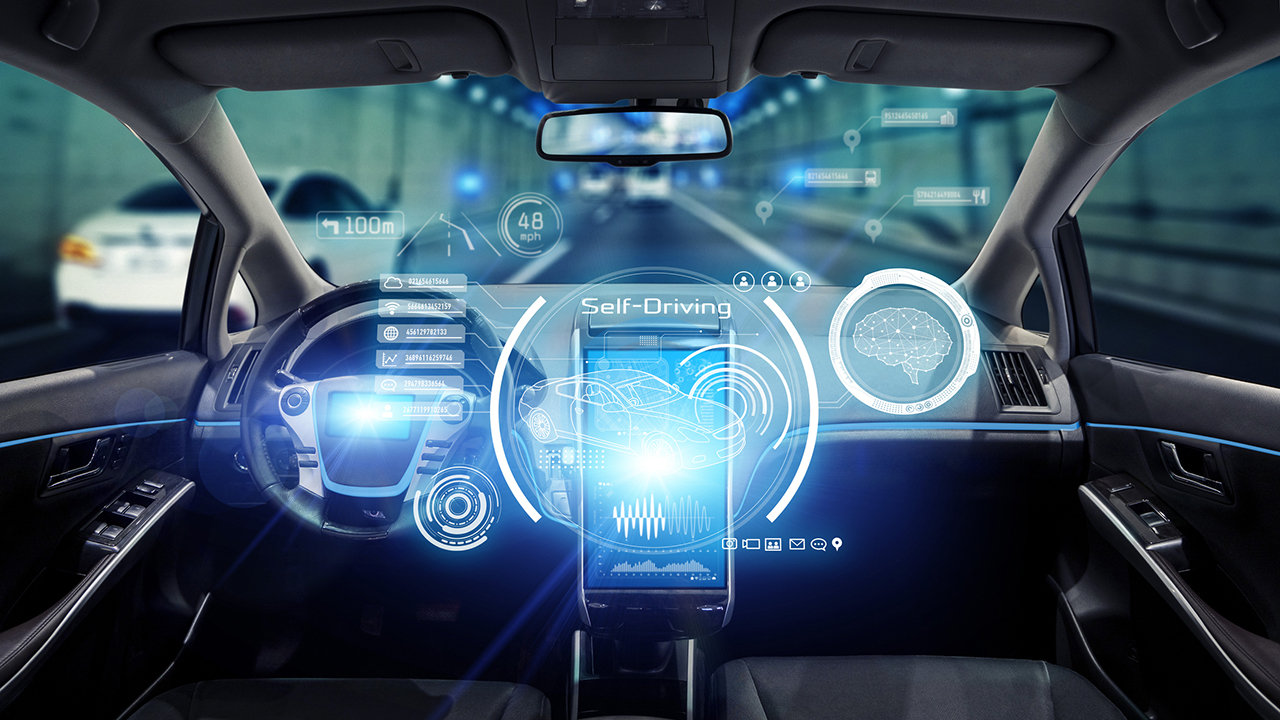 Integration and Ecosystem: The Car as a Digital Hub
The premium AI Cockpit is fundamentally designed to integrate the vehicle not just with the driver, but with the wider digital ecosystem, redefining the cabin’s function.
1. The In-Cabin Commerce and Service Platform
The integrated screen provides a secure gateway for transactional services.
- Remote Services and Diagnostics: The AI continuously monitors the vehicle’s health and can proactively schedule necessary maintenance appointments, order parts, or remotely facilitate vehicle access (e.g., for package delivery).
- Transactional Capabilities: Occupants can securely use the integrated payment system for services like fuel/EV charging, drive-through payments, and toll booth fees without needing a physical card or phone, leveraging biometrics or voice recognition for authentication.
- Media and Content Ecosystem: Full integration with streaming services, high-definition mapping data, and gaming platforms transforms the cabin, especially for rear-seat passengers or during periods of autonomous driving, into a genuine extension of the home or office.
2. Connectivity and Edge Security
Maintaining a secure, high-speed connection is essential for the AI Cockpit’s functionality and safety.
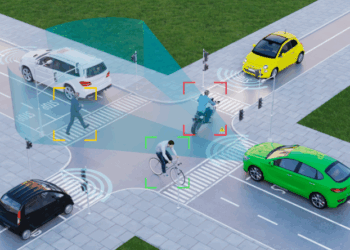
- 5G and V2X Communication: Advanced cockpits utilize 5G connectivity for high-speed data transfer (critical for OTA updates and streaming) and Vehicle-to-Everything (V2X) communication, allowing the AI to exchange critical safety information with infrastructure and other vehicles, reducing the risk of collisions.
- Cybersecurity as a Feature: Given the sensitivity of the data collected (biometrics, travel patterns, payment info), premium cockpits employ robust cybersecurity measures, including encryption, isolated domain separation between the infotainment and core vehicle control systems, and continuous vulnerability monitoring.
- Data Privacy Controls: To build trust, manufacturers provide granular controls allowing occupants to manage and restrict the collection and use of their personal data, making privacy an explicit feature of the premium experience.
Strategic Challenges and Future Horizons
The development and deployment of these complex AI Cockpits present significant technical, ethical, and regulatory hurdles that manufacturers must strategically overcome.
1. The Challenge of Complexity and Integration
Managing the sheer number of sensors, software layers, and integrated services is a major engineering task.
- Standardization vs. Personalization: Automakers must balance the need for proprietary, highly personalized interfaces (a key luxury differentiator) with the safety imperative of standardized, easily understood controls for critical functions.
- Reliability and System Robustness: Any failure in the AI Cockpit—especially those systems that integrate with vehicle control or safety alerts (e.g., AR HUD)—is a critical safety issue. The software must undergo rigorous testing to achieve automotive-grade reliability standards, far surpassing consumer electronics quality.
- User Interface (UI) and User Experience (UX) Consistency: Ensuring a seamless, unified experience across multiple screens, operating systems, and different interaction modalities (touch, voice, gesture) requires specialized UI/UX design teams that understand the driving environment.
2. Ethical and Regulatory Oversight
The rapid data collection capabilities of the AI Cockpit are outpacing existing regulatory frameworks.
- Data Ownership and Usage: Clear global guidelines are needed to define who owns the vast streams of in-cabin data (biometrics, usage patterns)—the driver, the manufacturer, or the service provider—and how that data can be legally monetized or shared.
- Distraction Mitigation Regulation: While AI is designed to reduce distraction, the richness of the in-cabin entertainment and communication options could inherently increase it. Regulators are closely watching the implementation of features like video streaming in the front seat.
- Bias in AI Systems: The AI must be trained on diverse data sets to ensure its recognition systems (voice, gesture, facial expression) function equally well across all demographics and lighting conditions, preventing system failures or unintended bias.
3. The Autonomous Cabin of Tomorrow
As vehicles approach Level 4 and 5 autonomy, the cockpit will fundamentally shift from a control center to a social or productivity space.
- Reconfigurable Interiors: The AI Cockpit will manage reconfigurable seating, deployable tables, and integrated screens that retract when not needed, transforming the cabin into a lounge, office, or entertainment venue based on the autonomous driving mode.
- Holistic Wellness Monitoring: Future AI will monitor passenger biometrics (heart rate, stress levels, hydration) and use the vehicle’s environmental controls (lighting, scent, sound) to proactively adjust the cabin to enhance well-being and reduce motion sickness.
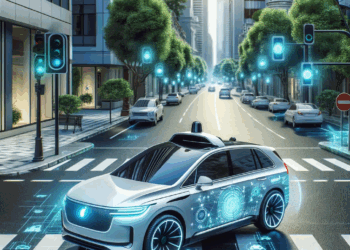
- Integration with Smart City Infrastructure: The AI Cockpit will communicate seamlessly with urban infrastructure (traffic signals, parking facilities, public transport hubs), providing hyper-efficient routing and context-aware information that makes mobility a fully integrated, stress-free experience.
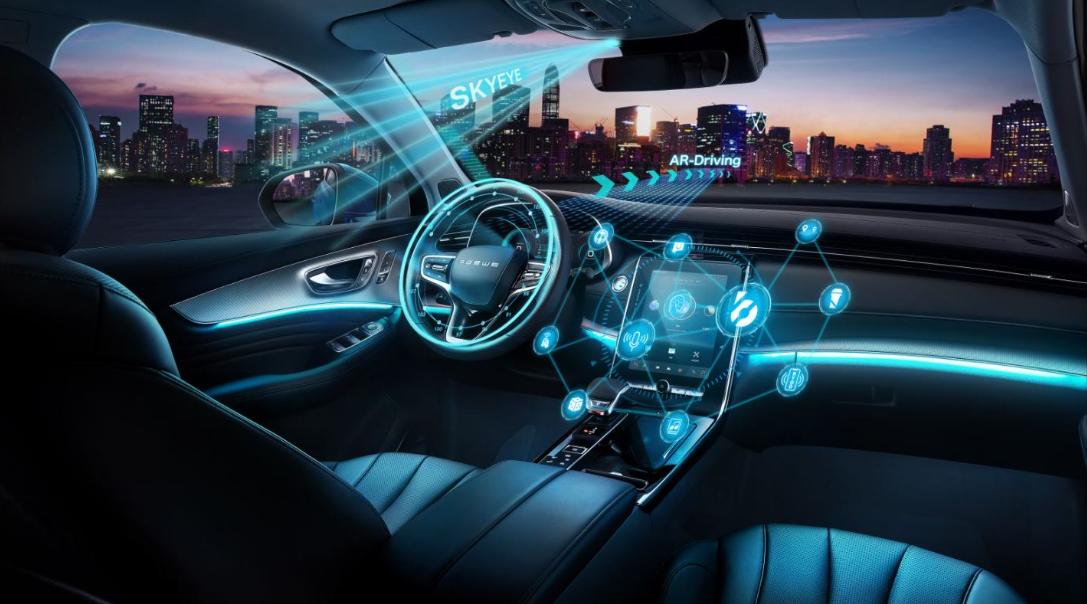 Conclusion: Intelligence is the Ultimate Luxury
The AI cockpit is a defining feature of the next generation of premium cars. It signals a strategic shift in automotive design, shifting the focus from purely mechanical excellence to a seamless and intelligent integration of digital life and personal mobility. By leveraging advanced AI for adaptive personalization, multi-modal interaction, and predictive safety, automakers are creating a digital space that is safer, more convenient, and highly tailored to user needs. The journey ahead involves navigating significant hurdles in cybersecurity, data privacy, and regulatory oversight. However, for the premium segment, the ability to deliver a truly intuitive, context-aware, and ever-evolving digital experience—making the car a conscious and intelligent partner on the road—is the ultimate luxury proposition that will define market leadership for decades to come.