The automotive industry is facing its most profound disruption since Henry Ford popularized the assembly line. The transition from human-driven vehicles (HDVs) to Autonomous Vehicles (AVs) is forcing global automakers—from legacy giants to emerging tech start-ups—to completely dismantle and rebuild their core business strategies. This revolution is not merely about adding a new feature; it’s about shifting from selling products (cars) to selling services (mobility, data, and software). As AV technology matures, the traditional profit centers of manufacturing, sales, and aftermarket servicing are being fundamentally challenged by new revenue streams centered on Software-as-a-Service (SaaS), Mobility-as-a-Service (MaaS), and data monetization. This necessitates a complex strategic pivot, forcing companies to become as much a technology and data firm as a traditional manufacturing enterprise.
This extensive analysis delves into the critical strategic shifts automakers are undertaking, dissects the fundamental transformation of the automotive value chain and supply network, explores the emerging business models and revenue opportunities created by autonomous fleets, and outlines the urgent internal and external challenges related to talent, technology integration, and regulatory compliance that will determine which companies survive and thrive in the autonomous future.
The Strategic Pivot: From Hardware to Software Dominance
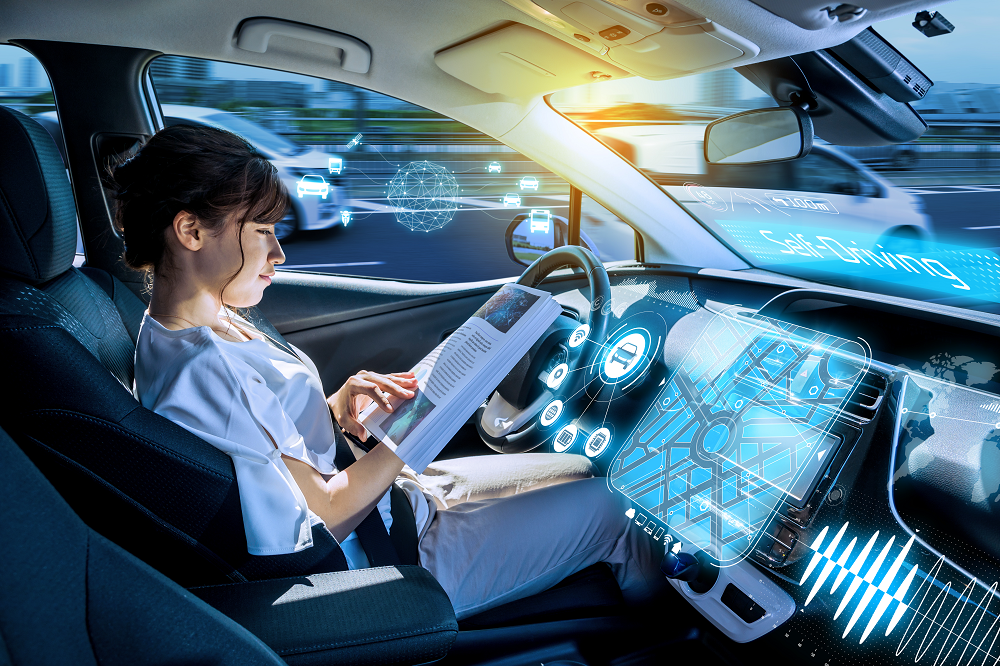
The core strategic challenge for legacy automakers is recognizing that the vehicle itself is becoming a sophisticated, rolling computing platform, where software defines the experience and functionality.
1. Vertical Integration of Software and AI
Automakers can no longer outsource the most critical components—the software that drives the car—to third-party suppliers.
- Internalizing Core Competencies: Companies are aggressively moving to bring software development, AI algorithm design, and chip integration in-house. This contrasts sharply with the historical model where Electronic Control Units (ECUs) and simple software were purchased off-the-shelf from Tier 1 suppliers. The goal is to control the intellectual property (IP) and the speed of innovation.
- The Centralized Computing Architecture: Replacing dozens of disparate ECUs with a powerful centralized, domain-based compute platform (often using high-performance processors from NVIDIA, Qualcomm, or custom ASICs) is essential. This allows for seamless Over-the-Air (OTA) software updates, enabling new features and safety patches to be deployed remotely, transforming the vehicle into a continuously updated digital product.
- Hiring Tech Talent: The massive strategic shift requires attracting and retaining top-tier software engineers, data scientists, and robotics experts, forcing automakers to compete directly with Silicon Valley tech giants for scarce, high-cost talent.
2. Rethinking the Product Lifecycle and Profit Model
The AV shifts the product relationship from a one-time transaction to a continuous, subscription-based service.
- Continuous Software Updates (OTA): Instead of profiting only from the initial sale, AVs generate revenue through subscription services for advanced features (e.g., enhanced autonomous driving modes, performance upgrades, infotainment services) deployed via OTA updates throughout the vehicle’s lifespan.
- Extended Vehicle Life: The high cost and complexity of the autonomous hardware suite incentivizes automakers to design AVs for a much longer lifespan (often 500,000+ miles), particularly those operating in MaaS fleets, shifting the profit focus from volume to durability and utilization.
- De-emphasis on Horsepower and Aesthetics: The consumer purchasing criteria will pivot away from traditional metrics like engine size and brand prestige toward safety ratings, software reliability, and the quality of the in-cabin experience (infotainment, comfort for non-driving occupants).
New Business Models: The Rise of Mobility-as-a-Service (MaaS)
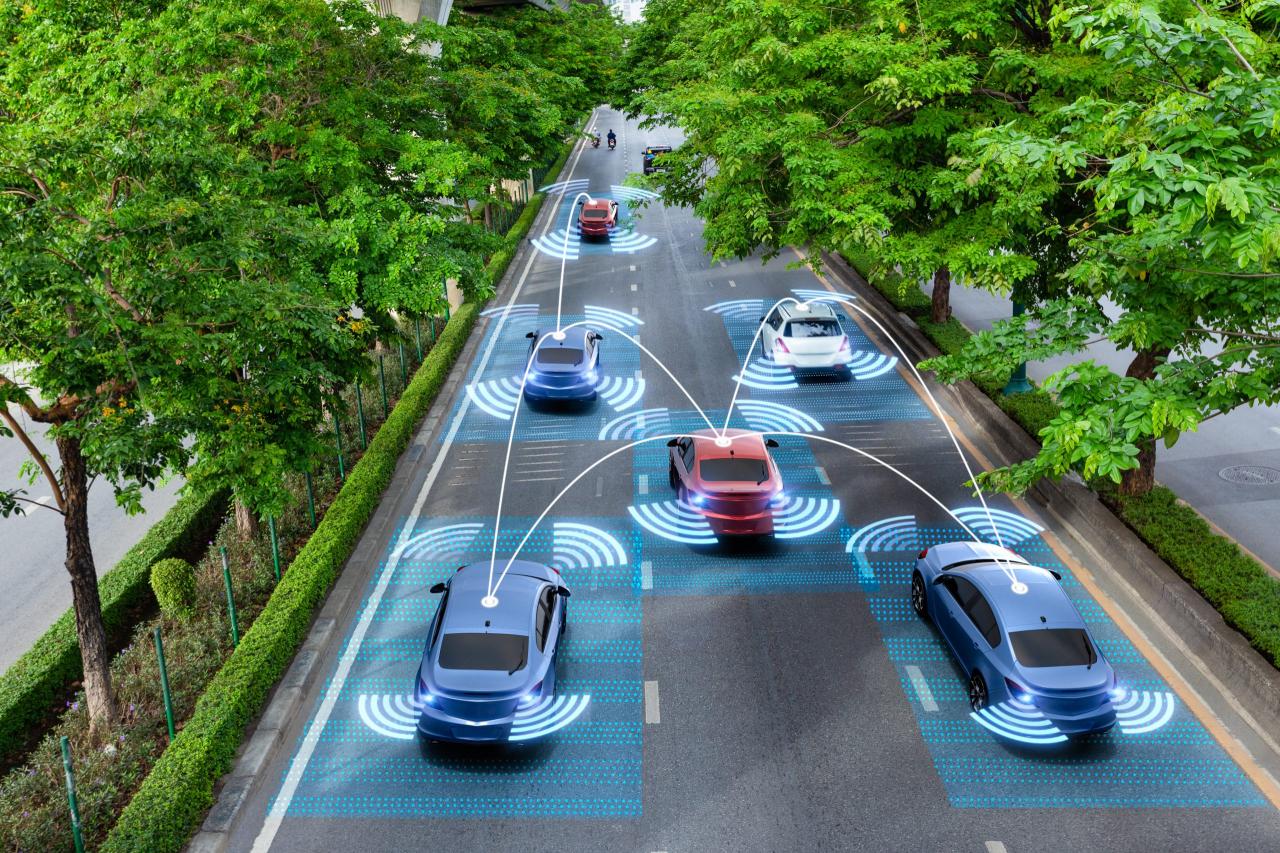
The most disruptive strategic change is the pivot toward owning and operating shared autonomous fleets, rather than just selling cars to individuals.
1. Fleet Ownership and High Utilization
Automakers are becoming fleet managers, entering the high-utilization, low-margin world of transportation services.
- The Robo-Taxi Revolution: Deploying vast fleets of Level 4 autonomous vehicles in geo-fenced urban areas (robo-taxis) allows manufacturers to capture the revenue generated from every ride, moving from a single point of sale to continuous revenue generation.
- Optimized Vehicle Design: Fleet vehicles can be optimized for function—e.g., maximizing interior space for passengers or cargo—rather than catering to a single driver’s desires. The interior becomes a customizable platform for work, entertainment, or rest.
- Predictive Maintenance and Low Downtime: Successful MaaS relies on high utilization rates. AI-driven predictive maintenance models are crucial, ensuring vehicles are serviced before failures occur, minimizing expensive, revenue-losing downtime.
2. Data Monetization: The New Oil
The AV generates massive streams of proprietary, high-value data, creating entirely new revenue opportunities that dwarf traditional automotive profits.
- Aggregated Mapping Data: Real-time sensor data from the entire fleet (Lidar, cameras, radar) can be aggregated to maintain and update highly accurate HD Maps, which are then sold or licensed to other AV developers, navigation companies, or infrastructure planners.
- In-Car Commerce and Advertising: The non-driving occupant of an AV becomes a highly valuable, captive audience. Manufacturers can integrate location-based advertising, content subscriptions, and in-car commerce (e.g., ordering food, booking tickets) into the infotainment platform, generating a steady stream of passive revenue.
- Insurance and Risk Modeling: The rich data on driver behavior, road conditions, and near-miss events is invaluable to the insurance industry, allowing for highly precise risk modeling and potentially allowing automakers to enter the insurance business directly.
 Transforming the Supply Chain and Manufacturing
The physical process of building a car must adapt to the stringent quality, safety, and technological demands of autonomous systems.
1. Shifting Supplier Relationships (Tier 1 vs. Tech)
The traditional hierarchy of automotive suppliers (Tier 1, Tier 2) is being overturned by technology specialists.
- Empowerment of Semiconductor and Sensor Firms: Companies like NVIDIA, Intel/Mobileye, and specialized sensor manufacturers (LiDAR and Radar) are becoming the new Tier 1 suppliers, dictating design requirements and integrating software platforms directly into the vehicle architecture.
- Consolidation and Simplification: The shift to centralized compute platforms reduces the need for hundreds of different ECUs, leading to consolidation among traditional electronic component suppliers. The future supply chain is flatter, but demands much higher quality and security standards.
- Supply Chain Security: Given that the vehicle’s core safety relies on software, ensuring the security and integrity of the supply chain—preventing tampering or the introduction of vulnerabilities into hardware or software components—is a paramount strategic concern.
2. Manufacturing and Quality Control for AVs
Production lines must adapt to the new reality of high-precision electronic integration.
- Precision Calibration: Manufacturing AVs requires integrating and precisely calibrating complex sensor arrays (Lidar, Radar, Cameras) to sub-millimeter tolerances across the entire vehicle body, far exceeding the precision needed for traditional components.
- Zero-Defect Software Deployment: The manufacturing process must incorporate rigorous software testing and verification at the assembly line level, ensuring that the critical operating system and ADS software are installed flawlessly before the vehicle leaves the factory.
- Cybersecurity as a Production Metric: Cybersecurity shifts from an IT department concern to a production quality metric. Every vehicle must leave the line with certified, uncompromised security keys and software versions, protecting against remote hacking.
Talent, Governance, and Regulatory Challenges
Successfully navigating the AV transition depends on adapting internal structures and influencing the external regulatory environment.
1. Internal Culture and Talent Gaps
Legacy automakers are wrestling with the difficulty of merging two vastly different corporate cultures: manufacturing and technology.
- Bridging the Cultural Divide: Integrating the fast-paced, iterative, and risk-tolerant culture of software development with the slow, safety-focused, and highly regulated culture of automotive manufacturing is a significant human capital challenge.
- Retention of Tech Talent: Automakers must create compensation structures, work environments, and intellectual freedom that successfully compete with the highly lucrative and flexible offers from dedicated technology firms.
- Restructuring R&D: Shifting R&D focus from powertrain development (combustion engines) to AI, machine learning, and sensor technology, requiring massive reallocation of financial and human resources.
2. Navigating the Global Regulatory Landscape
A fragmented and evolving set of international regulations complicates the global deployment strategy.
- Harmonization of Standards: Automakers are actively lobbying for global harmonization of safety standards (e.g., consistent rules for Level 3 handover) to avoid the expensive necessity of designing and validating different AV software versions for every country.
- Cybersecurity Governance: Governments worldwide are beginning to mandate cybersecurity certification for new vehicles. Automakers must integrate robust Cybersecurity Management Systems (CSMS) across the entire product lifecycle, from design to decommissioning.
- Ethical and Liability Frameworks: Companies must proactively engage with regulators and the public to define clear liability frameworks and transparent ethical programming principles (e.g., decision-making during unavoidable accidents) to build necessary trust.
 Conclusion
The era of Autonomous Vehicles demands a radical strategic overhaul for every automaker. Survival no longer hinges on excellence in engine building or sheet metal stamping, but on mastery of software, data, and service orchestration. The successful companies of the future will be those that execute a rapid and effective pivot from a product-centric manufacturing model to a service-centric technology ecosystem. This involves daring internal reorganization, aggressive talent acquisition in AI and software, strategic focus on high-margin MaaS and data services, and the willingness to shed legacy business processes. The future car is a computer on wheels, and the dominant automaker will be the one that designs the superior operating system. The strategic decisions made today—whether to partner, acquire, or aggressively build internal software capabilities—will determine market leadership in this profound and irreversible technological shift.