The electric vehicle (EV) revolution, the most significant shift in automotive technology in a century, is fundamentally driven by innovations in lithium-ion batteries. Far from being a static component, EV battery technology is undergoing explosive, record-breaking evolution, surpassing previous limitations in energy density, charging speed, longevity, and cost efficiency. This rapid progress is a key driver accelerating the global mainstream adoption of EVs, directly addressing two key consumer concerns: range anxiety and charging time. The future of transportation is defined by energy storage, and breakthroughs in materials science, cell chemistry, and battery pack design are preparing for a fully electric and sustainable global fleet.
This extensive in-depth analysis analyzes the recent chemical and structural breakthroughs defining the next generation of EV batteries, explores the crucial race toward solid-state technology and alternative chemistries, dissects the major challenges and strategic investments required to secure a sustainable and ethical battery supply chain, examines the vital role of thermal management and charging infrastructure, and envisions a future where battery packs are not just a power source, but an integral and recyclable component of a circular economy.
Chemistry Race: Beyond Traditional Lithium-ion
The current generation of EV batteries relies heavily on established lithium-ion chemistries, but record-breaking progress is coming from modifying cathode and anode materials.
1. Cathode Chemistry Innovation
The cathode is a key determinant of energy density, cost, and safety. The industry is strategically diversifying its cathode composition to optimize use across various electric vehicle segments.
- High-Nickel Chemistry (NMC and NCA): To achieve record-breaking range for premium and long-range vehicles, manufacturers are increasing the nickel content in Nickel Manganese Cobalt (NMC) and Nickel Cobalt Aluminum (NCA) cathodes. Higher nickel content translates to higher energy density but requires sophisticated thermal management to mitigate stability and safety risks.
- Cobalt-Free Chemistry (LFP): Lithium Iron Phosphate (LFP) batteries are increasingly dominating the market, particularly in the mass-market and commercial segments. LFP offers superior safety, lower cost (due to the absence of expensive cobalt and nickel), and a longer cycle life, making it a leading choice for city and fleet vehicles, despite its lower energy density.
- Manganese-Rich Chemistry (LMNO): Advanced research is focused on Lithium Manganese Nickel Oxide (LMNO) or high-voltage spinel structures, which aim to combine the high energy of nickel with the cost-effectiveness and safety of manganese, potentially offering a balanced solution for the mid-market.
2. Anode Evolution and Density Improvements
Anode materials are being aggressively engineered to pack more lithium ions, fundamentally increasing cell capacity.
- Silicon-Based Anodes: Traditional anodes use graphite. New anodes integrate silicon because of its theoretical capacity to store up to ten times more lithium than graphite. The technical challenge—managing the massive volume expansion of silicon during charging—is being overcome through nanostructuring and advanced composite materials.
- Lithium Metal Anodes: The “holy grail” for extreme energy density is the lithium metal anode. This technology eliminates the need for any parent material (such as graphite or silicon), thus maximizing energy storage. However, its reactivity and tendency to form dendrites (sharp lithium growths) pose significant safety challenges.
- Advanced Graphite Manufacturing: Even traditional graphite is being refined. The new production method creates a highly organized, low-defect graphite structure that facilitates faster lithium ion insertion and extraction, contributing to higher charging speeds and improved cycle life.
Structural and Systemic Progress: Packages as Platforms
Innovation isn’t limited to the cell level; the entire battery pack structure is being reengineered for safety, cost, and vehicle integration.
1. Cell-to-Pack (CTP) and Cell-to-Chassis (CTC)
Manufacturers are setting new records for packaging efficiency, reducing dead space and non-essential materials in battery packs.
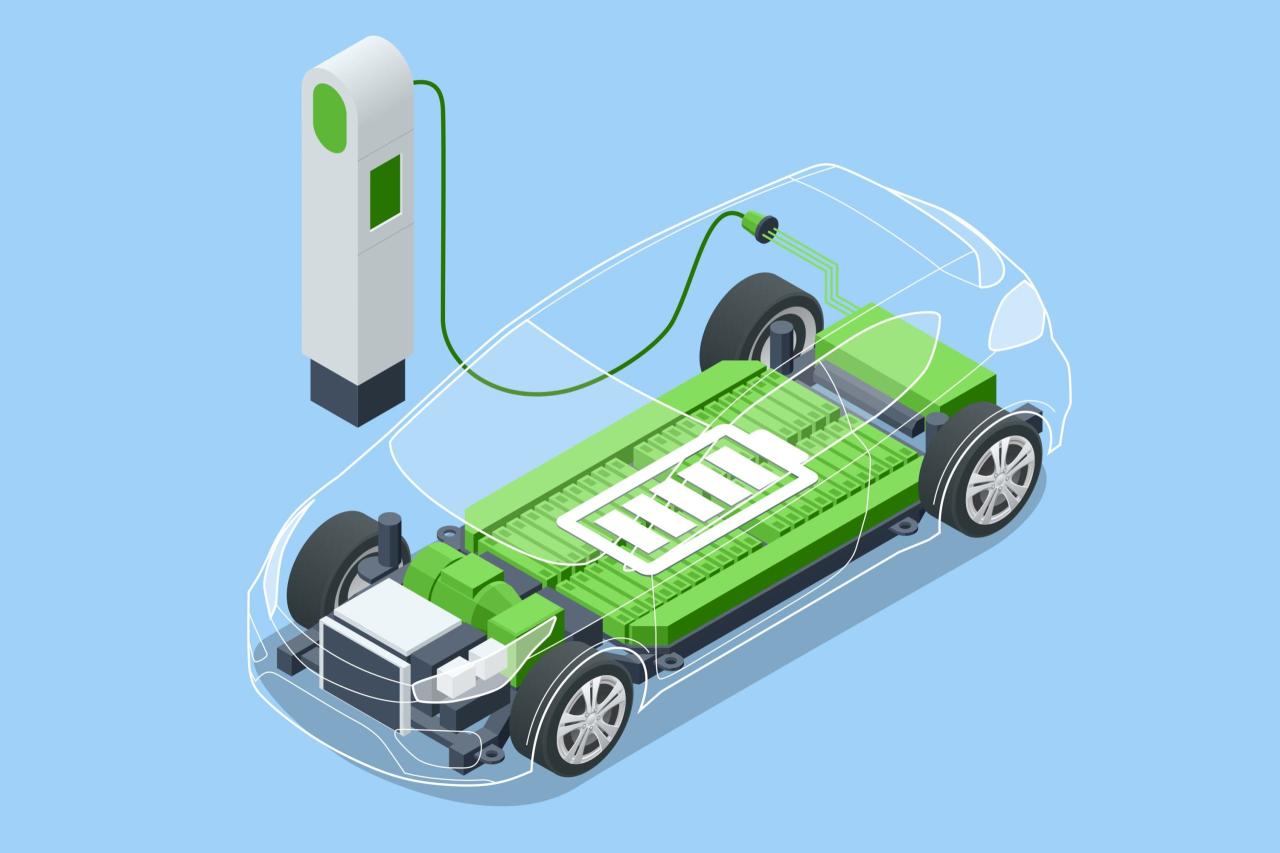
- Cell-to-Pack (CTP): This design eliminates the intermediate module housing, placing individual cells directly into the battery pack structure. CTP simplifies manufacturing, reduces complexity, and increases volumetric energy density by 15-20%, directly resulting in greater range for the same physical space.
- Cell-to-Chassis (CTC): The most radical structural innovation, integrating the battery pack directly into the vehicle’s chassis or body structure. This CTC approach eliminates the heavy and redundant outer casing, making the battery a stressed structural component of the car, saving weight and cost, and improving vehicle stiffness and handling.
- Modular and Swappable Packs: For commercial fleets (taxis, delivery vans), modular and swappable battery packs are gaining popularity. This allows for rapid battery replacement (in minutes, not hours), maximizing vehicle uptime, and achieving record logistics uptime.
2. Thermal Management and Safety
As energy density increases, thermal management and ensuring safety become increasingly important.
- Advanced Cooling Plates and Fluids: These new systems utilize direct-contact liquid cooling plates or innovative dielectric fluids surrounding the cells, offering superior and more uniform heat transfer than traditional cooling coils. Effective thermal management is directly related to cell longevity and peak performance.
- Aerosol-Based Fire Suppression: To achieve record safety standards, especially for high-nickel cells, new packs incorporate passive or active fire suppression systems that deploy cooling aerosols or ceramic blankets between cells to prevent thermal runaway (where heat from one cell spreads to adjacent cells).
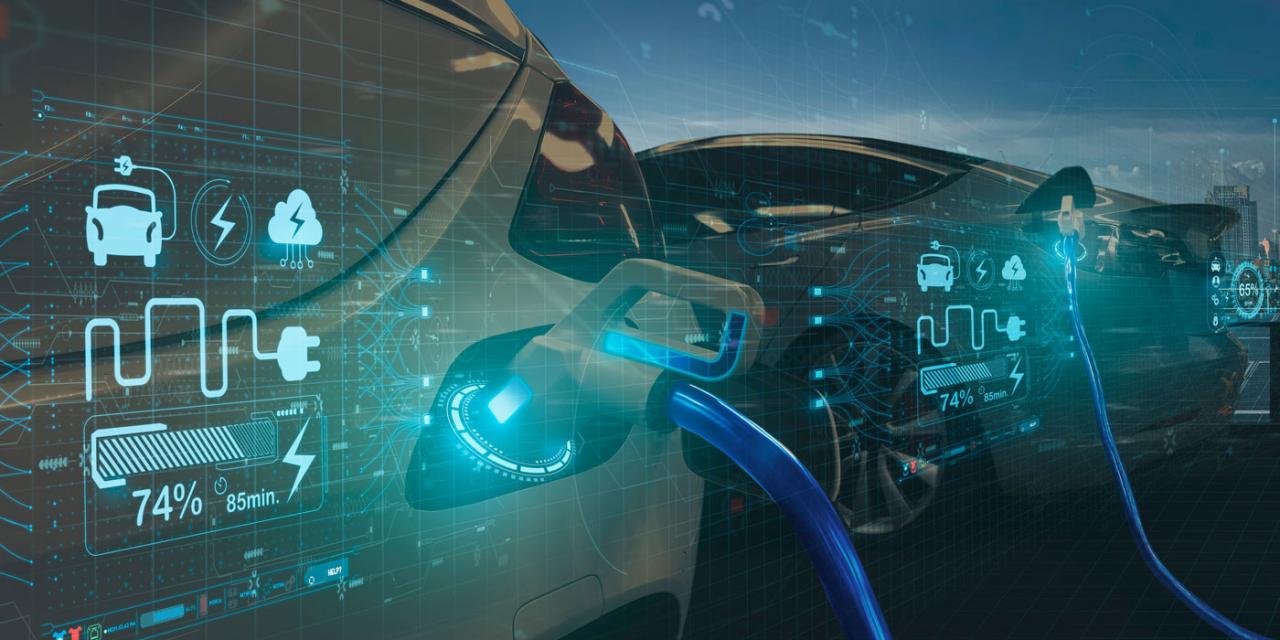
- Battery Management System (BMS) Intelligence: The BMS, the brain of the battery, is becoming exponentially smarter. An AI-powered algorithm analyzes the condition, temperature, and charging behavior of each cell in real-time, optimizing charging profiles to maximize speed and extend battery life.
 The Next Frontier: Solid-State and Beyond
The real paradigm shift is the shift away from liquid electrolytes, a transition that promises to set unprecedented new records in energy density and security.
1. Solid-State Revolution
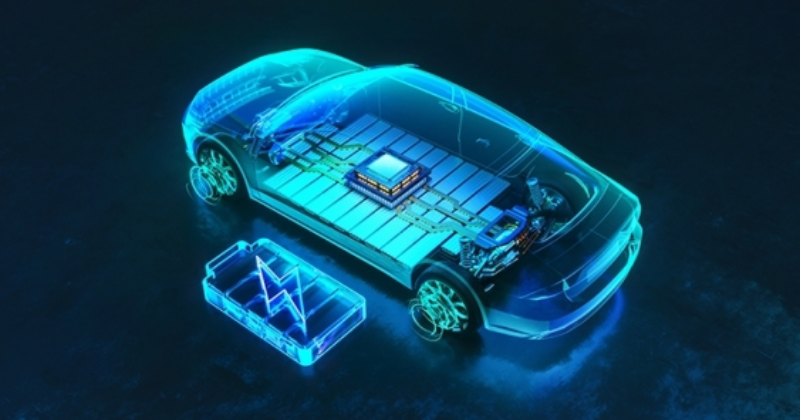
Solid-state batteries (SSBs) replace the flammable liquid electrolyte with a solid conductive material (ceramic, polymer, or sulfide).
-
Elimination of Flammable Electrolyte: The solid electrolyte eliminates the primary safety risk associated with liquid lithium-ion (the highly flammable organic solvent), enabling the use of high-capacity lithium metal anodes without the risk of dendrite penetration and short circuits.
-
Record Energy Density: SSBs promise to achieve energy densities up to 50% higher than current liquid lithium-ion cells, potentially doubling the range of EVs without increasing battery size, a record that will truly end range anxiety.
-
Simplified Packaging and Thermal Needs: Because SSBs are inherently non-flammable and stable, the extensive cooling systems and complex venting structures required for liquid cells can be simplified or eliminated, reducing battery pack weight and cost dramatically.
2. Alternative Chemistries and Material Diversification
The industry is hedging its bets by aggressively researching chemistries that move away from lithium, nickel, and cobalt entirely.
-
Sodium-ion Batteries: Sodium-ion (Na-ion) batteries are emerging as a viable low-cost, cobalt-free alternative. They utilize abundant sodium and offer good performance in extremely cold weather. While less energy-dense than lithium, they are ideal for stationary storage and affordable, short-range urban EVs.
-
Zinc and Aluminum Batteries: Research is focused on utilizing multi-valent ions like zinc or aluminum, which theoretically can store more charge per ion than single-valent lithium. However, the lifespan and charging efficiency of these chemistries remain major technical hurdles.
-
Sustainable Material Development: The long-term record is creating batteries from materials that are entirely abundant, cheap, and ethically sourced, minimizing reliance on geopolitically sensitive materials like cobalt and nickel.
The Supply Chain and Sustainability Imperative
The exponential growth of EV battery technology is putting unprecedented strain on the global supply chain, necessitating massive investment in mining, processing, and recycling.
1. Securing Critical Minerals
The strategic control and ethical sourcing of lithium, nickel, and cobalt are critical to meeting production demand.
- Gigafactory Proliferation: The construction of Gigafactories—massive battery production facilities—is accelerating globally, setting records for manufacturing capacity. This scale is necessary to achieve the cost-reduction curve required for mass-market adoption.
- Direct Lithium Extraction (DLE): New technologies such as Direct Lithium Extraction (DLE) aim to significantly reduce the environmental footprint and time required for lithium production from brine sources, ensuring a faster and more sustainable supply of the mineral.
- Ethical Sourcing and Transparency: Stakeholders are demanding record-breaking supply chain transparency to ensure that minerals like cobalt are ethically sourced, free from conflict and exploitative labor practices, leading to blockchain-verified sourcing initiatives.
2. Recycling and the Circular Economy
The only long-term sustainable model for electric vehicles is to build a robust and large-scale battery recycling infrastructure.
- Second Life Applications: Batteries that have degraded to approximately 70-80% of their original capacity are considered unsuitable for EV use but are well-suited for Second Life applications, such as primarily energy storage for homes or grid stabilization, maximizing their useful life.
- Advanced Hydrometallurgy and Pyrometallurgy: Recycling processes are rapidly evolving. New hydrometallurgy (chemical dissolution) and pyrometallurgy (smelting) techniques achieve the highest recovery rates (over 95%) for critical, high-value materials such as nickel, cobalt, and lithium from used battery packs.
- Design for Disassembly: Battery packs are increasingly being designed with recycling in mind, ensuring modularity and easy access to cells and materials, which will reduce the cost and energy requirements of future recycling operations.
 Conclusion
The rapid and record-breaking evolution of EV battery technology is the most important factor determining the speed and success of the global transition to electric mobility. Breakthroughs in cathode chemistry (high-capacity nickel, LFP), anode materials (silicon, lithium metal), and structural design (CTP, CTC) are systematically overcoming historical barriers faced by consumers, delivering extended range, faster charging, and lower costs.
As the industry races toward the paradigm shift promised by solid-state batteries and faces significant challenges in sustainable mineral sourcing and gigafactory scaling, this momentum is irreversible. Battery packs are no longer simply a power source; they are highly intelligent, structurally integrated, and increasingly sustainable components that determine the performance, profitability, and ecological future of every vehicle on the road.